How to Perform a Comprehensive Code Audit for Website Plagiarism
In today’s digital landscape, ensuring the originality of your website's code is crucial. A comprehensive code audit can help you detect code plagiarism, protecting your intellectual property and maintaining your site's integrity. Here’s how to effectively perform this audit.
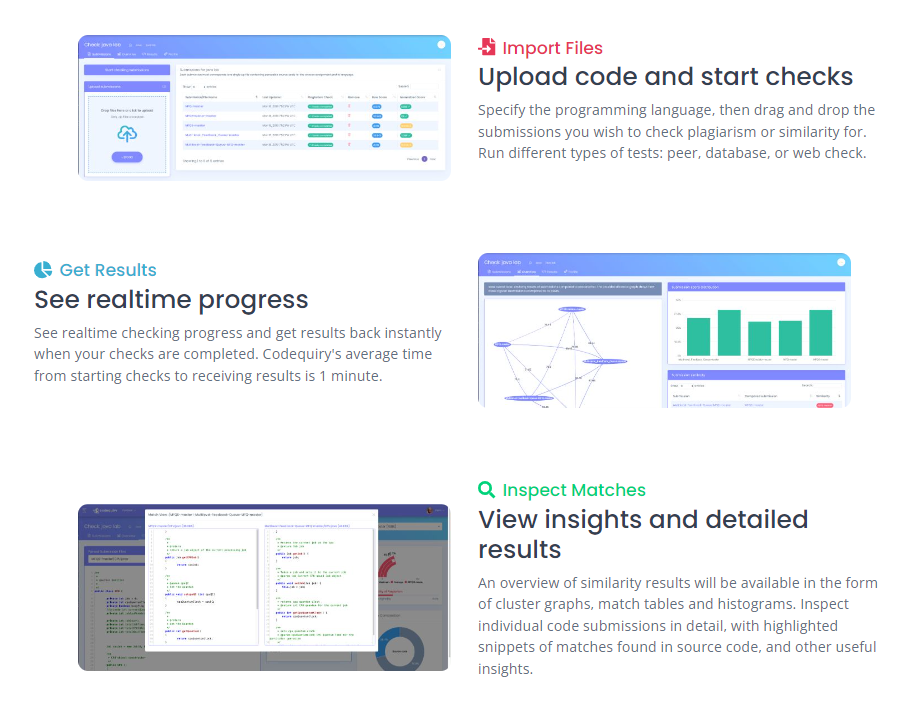
Step 1: Utilize a Website Plagiarism Checker: Start by using a reliable Website Plagiarism Checker designed specifically for code. These tools analyze your code against vast databases, identifying similarities with existing code. Popular options include Codequiry which can help you pinpoint potential plagiarism issues.
Step 2: Review Code Structure and Logic: Examine your code for structural similarities with other projects. Pay attention to the logic and algorithms used. Even if variable names differ, similar logic can indicate potential plagiarism. Ensure that your code reflects your own unique approach and understanding.
Step 3: Document Your Sources: If you’ve used any external code snippets, make sure to document them properly. Include comments in your code to attribute the original authors. This practice not only helps avoid plagiarism but also fosters a culture of respect within the coding community.
Conclusion
Conducting a thorough code audit is essential for maintaining originality in your website's code. By leveraging a website plagiarism checker like Codequiry, which features the Moss Plagiarism detection tool, you can effectively identify and address potential issues. This ensures your code is both unique and compliant with intellectual property standards. Protect your work and uphold your reputation in the coding community!
